How structured reporting turns beneficiaries into participants – and builds trust with the trustee
For years, trust reporting has followed a familiar pattern: statements are issued, balances are shown, and distributions are made. Beneficiaries may glance at a few numbers but rarely engage with the details. They know what they received. They don’t know why. And most never ask. What’s missing is clarity – not in compliance, but in comprehension. That’s what I set out to change.
Using CORE, I began importing institutional trust data directly into a structured personal financial system. The goal wasn’t to duplicate what the bank already provided – it was to translate it into something a beneficiary could actually understand.
From Passive to Participating
I created a series of financial tiles that represent each asset, liability, and account. Trust bank accounts became transactional tiles. Land holdings were broken down by tract, with cost basis and market value adjustments attached. Every dollar could be traced. Every change could be explained.
The result? For the first time, I could see how distributions were connected to underlying income and asset value. I could tie farm income, land appreciation, and trustee fees directly to my personal cash flow. I could reconcile trust activity in about an hour – something that previously took weeks (or a $3,000 QuickBooks file I couldn’t use).
A Better Outcome for the Bank
This isn’t just better for beneficiaries. It’s better for banks.
When trust clients can see how their assets are performing – not just what they received – they become more engaged. They ask better questions. They start to trust the system that holds their wealth.
Trust officers benefit too. They no longer must explain line-by-line accounting entries or chase down vague inquiries. The structured system answers those questions before they’re asked.
It’s Not About Software. It’s About Structure.
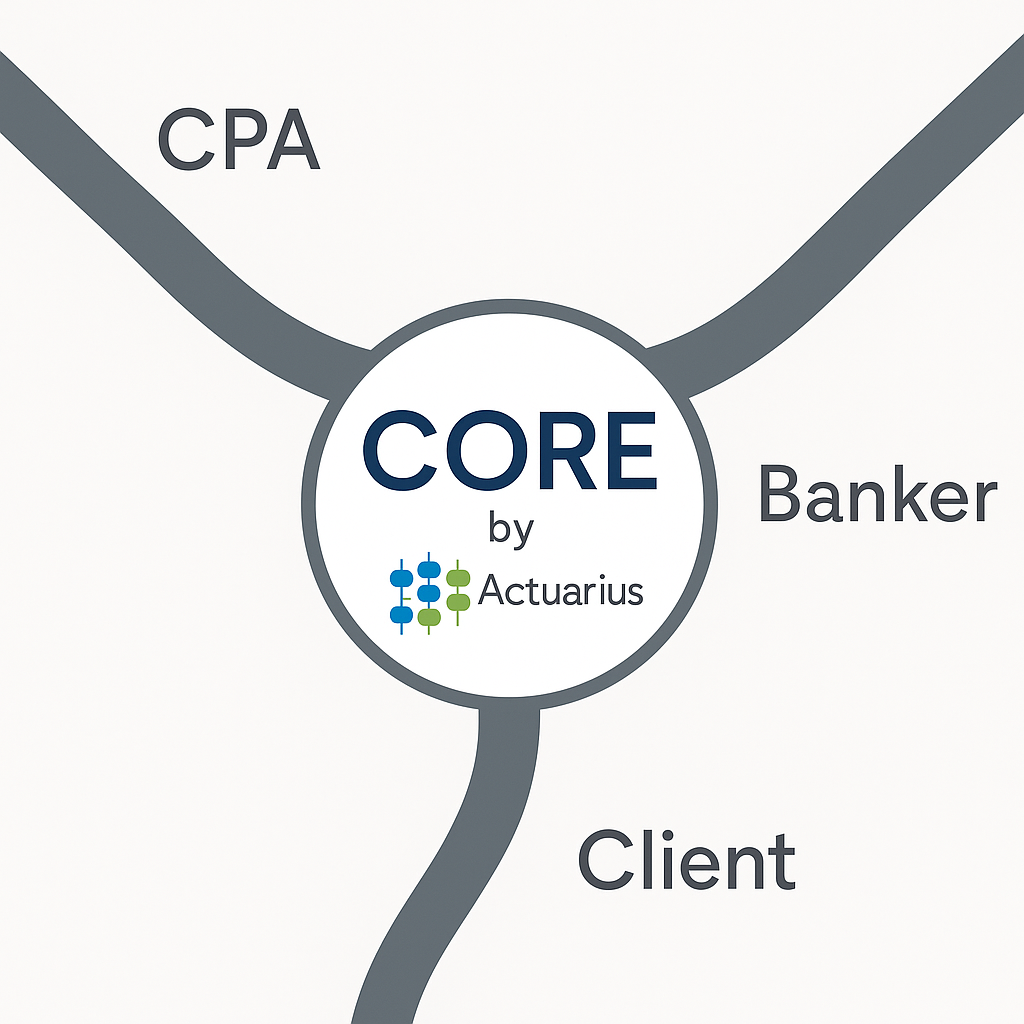
CORE didn’t replace the trust system. It connected to it. And once the data was brought into a structured, math-based environment, the reporting came to life.
Assets like farms, oil & gas holdings, and mineral rights – which previously lived in static statements – became understandable. Their motion became visible. And suddenly, the beneficiary saw what the trustee sees.
Why This Matters
Most trust systems aren’t broken. They’re just unreadable outside the bank. By bringing structure to trust data – and integrating it with personal financial systems – we’ve created a way to:
- Turn beneficiaries into active participants
- Build goodwill between clients and their banks
- Make trust reporting understandable and repeatable
This is how trust gets built – not just institutionally, but personally.
And that’s what CORE now makes possible.