When I sent a client a list of questions last week, it looked like a Canadian school supply horror story. I called it “Tony’s Duotangs.” (Quick primer for non-Canadians: a duotang is that flimsy two-prong folder that held your entire school year. Papers go in, metal tabs fold over, dreams get mildly crushed. Americans just call it “a folder.” Canadians call it a duotang and will fight you over the name.)
The list was long: every bank account, 15 credit cards, investment statements, mortgage balances, kids’ Venmo accounts, PayPal crypto transactions, home value estimates, car loans… everything.
At first glance, it’s overwhelming. I wouldn’t blame anyone for thinking, “This guy is insane.”
But that overwhelming list is the last hard part of onboarding. Once we get answers and start pulling everything verbatim (no summaries, no rounding, no hiding) the patterns appear almost immediately:
- Recurring descriptions that tell a story
- Expenses that cluster in waves
- Cash flows that finally make sense
And then the real magic happens: the client starts seeing themselves in the numbers. Not just “how much I spent,” but “why I spent it,” “where it came from,” and “what it means for the trajectory I’m on.
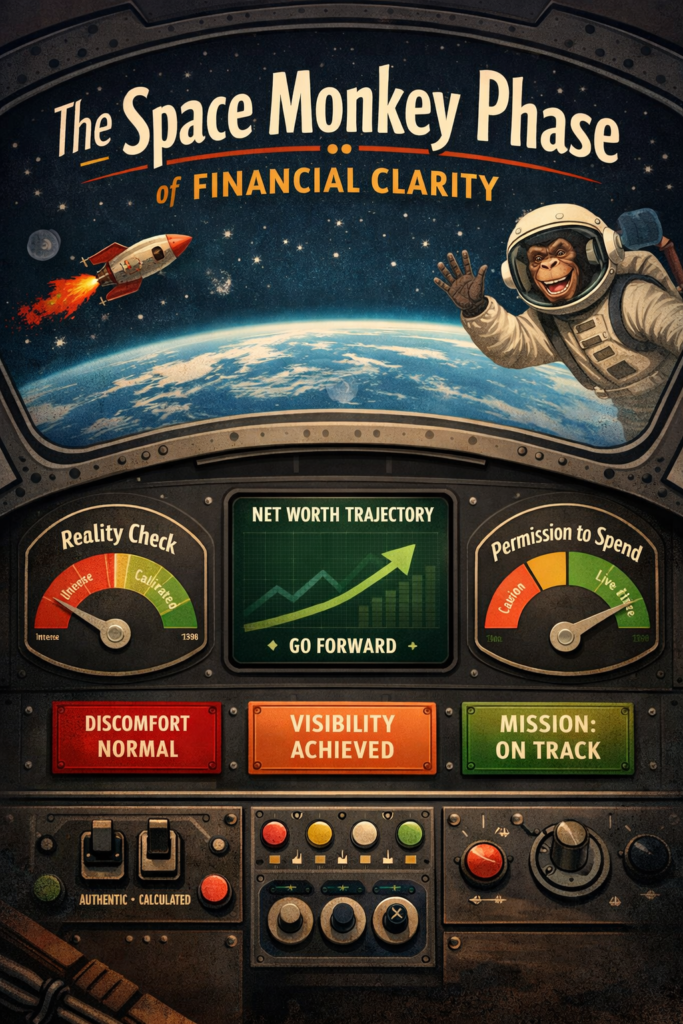
The Duotang phase is temporary. The clarity that follows is permanent.
Why the Chaos Is Necessary
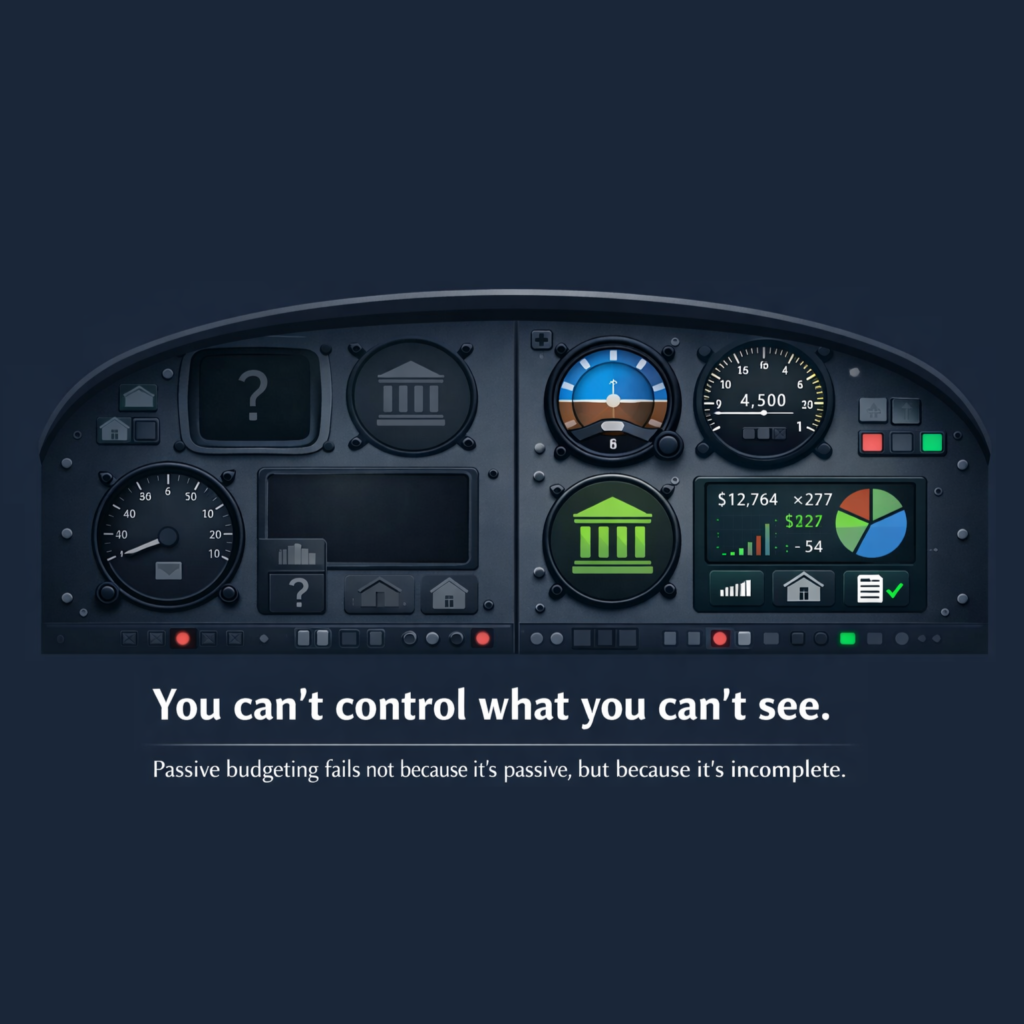
Most people come into this process with fragmented views:
- Bank app shows today
- QuickBooks shows last month
- Advisor sends a PDF once a quarter
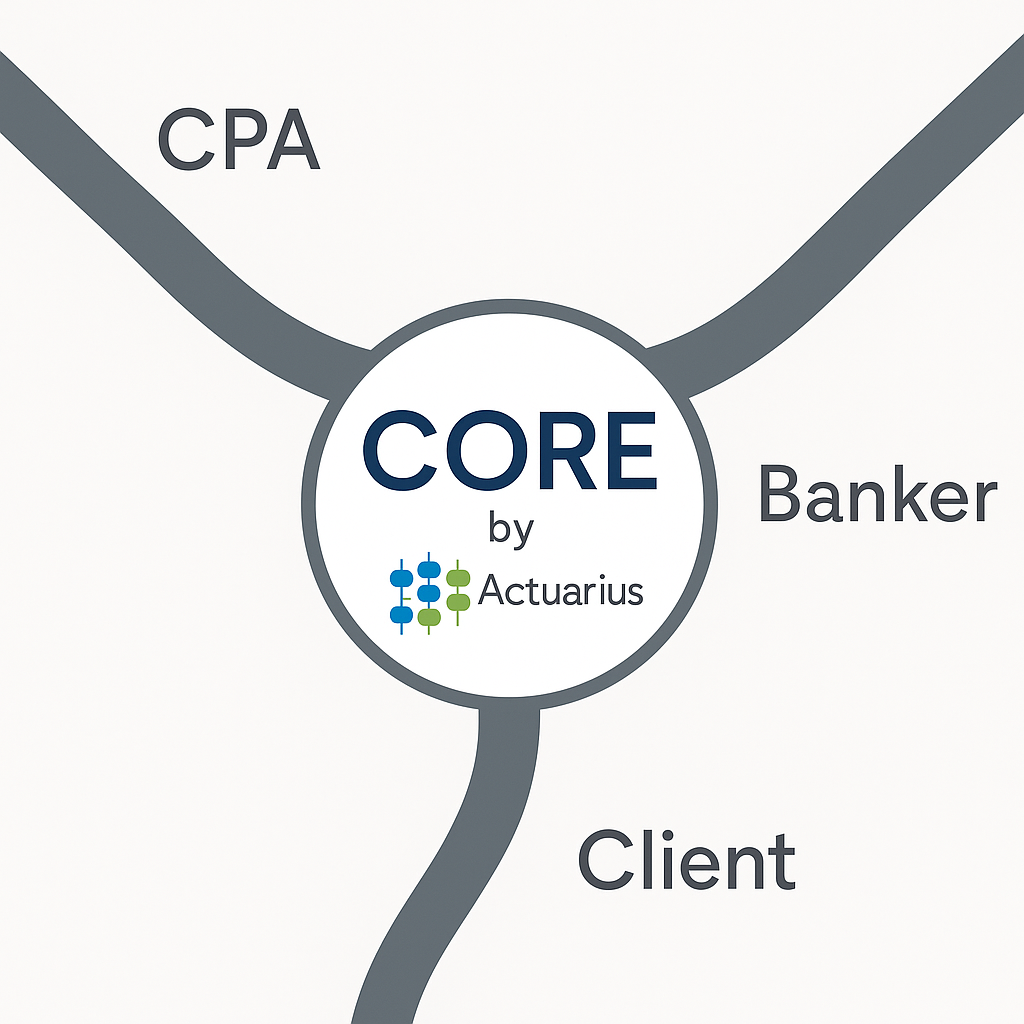
Everything is disconnected, so surprises hide in the gaps. The only way to eliminate those gaps is to go through the Duotang – to gather every loose end, every statement, every transaction, and bring it into one place.
It feels like a lot because it is a lot – at first. But every question answered, every account balanced, every category stabilized is the system learning the household.
Over time, the list shrinks. The questions get fewer. The confidence grows.
That’s when the lights come on.
What Clients Learn About Themselves
The Duotang isn’t just about getting data into the system – it’s about getting the client into their own data. When the full picture emerges, people discover things they never saw before:
- Spending patterns they didn’t realize existed
- Reimbursement flows they’d forgotten about
- Income sources that were quietly compounding
- The real impact of one-off decisions over time
It’s not always comfortable. The spending suddenly feels loud. The “Do I really spend that much?” moment arrives. But that discomfort is the emotional tax of clarity – and it’s short.
Once it passes, clients stop asking “Should I have done that?” and start asking “Was that worth it?”
That’s a healthier question.
And the answer usually comes with a smile.
The Payoff
The Duotang phase ends.
What replaces it is rhythm: monthly updates, shrinking review lists, repeating patterns, steady clarity.
The system no longer feels like work – it feels like a companion that’s learning alongside you.
And the view?
It’s not just numbers. It’s the full picture – the wealth you’ve built, the life you’re living on purpose, and the trajectory that’s working.
So yes, the list is overwhelming at first. But it’s also the doorway to something most people never get: real, complete, non-judgmental visibility into their financial life.
If you’re ever buried under statements and wondering whether it’s worth the effort, the answer is yes.
The Duotang is temporary. The clarity is forever.
(And yes — “Duotangs” is officially coined here for the onboarding chaos phase. It’s happening.)
If you’re a wealth advisor or family office client who’s ever felt the weight of fragmented data, this is the part where the lights come on. It’s worth the momentary mess – because once they do, everything changes.
#familyoffice #wealthtech #financialclarity #passivebudgeting