AI makes the old lamp brighter. CORE changes the source of light.
In the late 19th century, gas lighting ruled the streets. Cities glowed with lamps fueled by coal gas, brighter and more reliable than candles or oil. The gas companies were convinced they owned the future. When a challenger appeared – electricity – they didn’t panic. They improved. The Welsbach mantle, introduced in 1885, added a filament that made gas lights five times brighter and much more efficient. For a time, it worked. Gas lighting hung on for decades.
But in the end, it didn’t matter. Electric light, coming from outside the industry, redefined illumination. It was safer, more scalable, and ultimately cheaper. The mantle was clever, but it was still a patch on a dying system. Gas lighting became a footnote.
That story has been on my mind as I watch what’s happening in bookkeeping today.
The New Filament: AI in Accounting
Right now, artificial intelligence is the Welsbach mantle of our profession. Everywhere you turn, accountants are talking about AI. It reduces errors. It saves time. It promises to take the drudgery out of data entry and reconciliations.
I don’t deny any of that. In fact, it’s good progress. For the first time in my career, I’ve seen accountants really pay attention to new technology. That alone is historic.
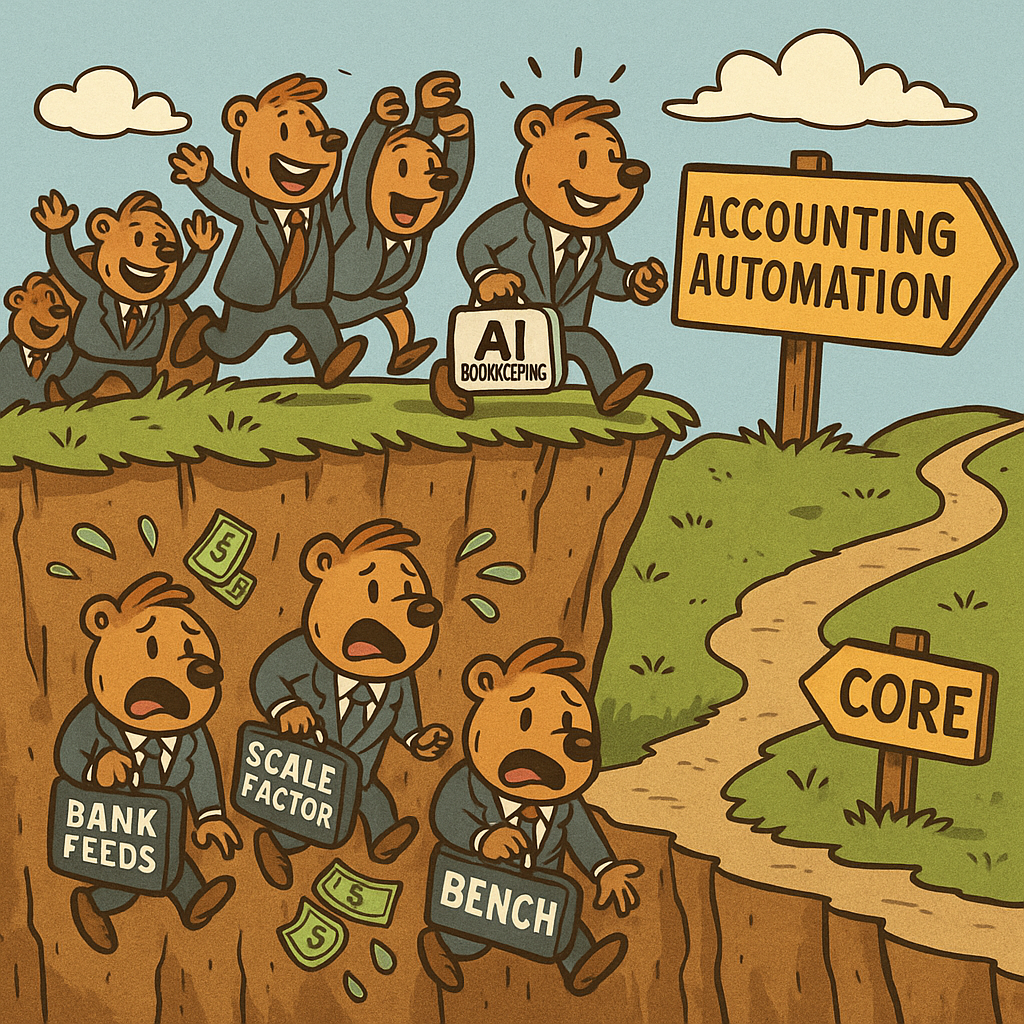
But let’s be clear: AI is a filament in a gas lamp. It makes the old model brighter, faster, more efficient. But it’s still the same lamp – single-lane ledgers, after-the-fact reporting, systems never designed for third-party scalability. It improves the parts accountants already sell (time, billed by the hour). It doesn’t fix the foundation.
And if history is any guide, filaments can only take you so far.
How I Learned This the Hard Way
I didn’t set out to be a disruptor. I was a conventional CPA – trained, licensed, and good at what I did. My world was compliance, tax returns, and keeping score. That’s what the profession values.
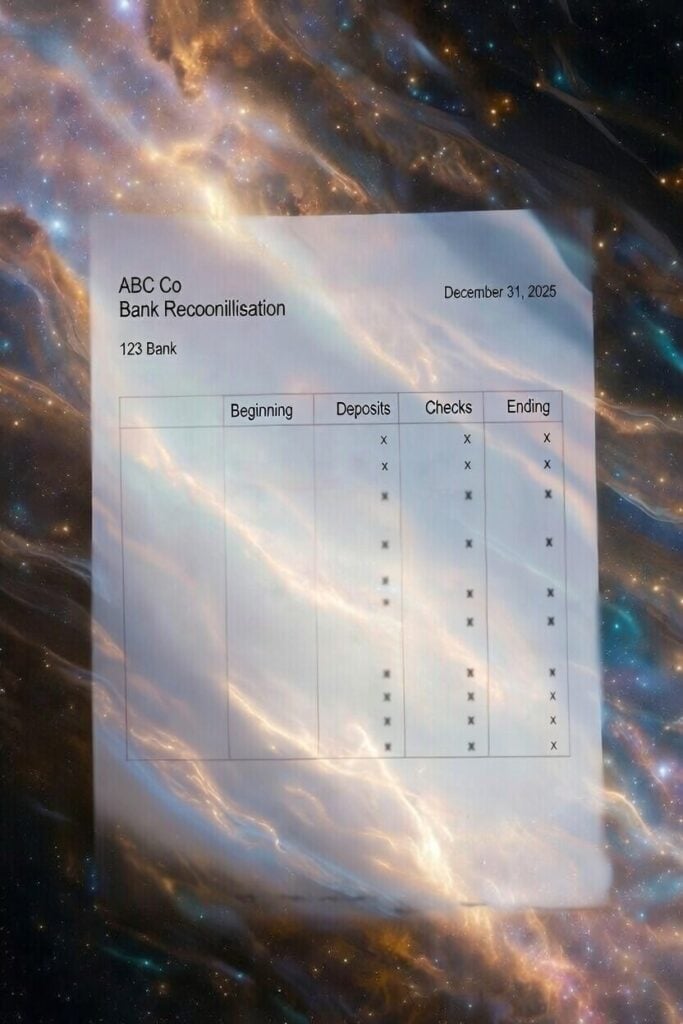
But I also loved tech. I tinkered with spreadsheets and systems. I was curious. And one day, in the mid-1990s, I stumbled into a problem that conventional systems couldn’t solve: a bank reconciliation that wouldn’t tie out.
The issue was simple but maddening: when you corrected a transaction in traditional software, the system couldn’t distinguish the debit from the credit because both were just signs – positive or negative. Everything blurred. Visibility evaporated.
So, I did what any stubborn accountant with a spreadsheet would do: I added another field. Not a patch, not a shortcut – a structural change. A debit lane. A credit lane. One record per transaction, both sides visible. It was like adding a second lane to a highway that had been one-way for centuries.
That little change changed everything. Suddenly, reconciliation was clean. Motion was visible. Errors couldn’t hide.
I didn’t expect it, but I had built a better general ledger.
Why This Matters
That two-lane structure became the foundation of what I now call CORE™ – a custom-built system designed for third-party accountants, not end users. It’s not a dashboard. It’s not an add-on. It’s an entirely different architecture.
CORE works because it mirrors how money actually moves. It treats bookkeeping like a mini-audit – verbatim records, reconciled monthly, tied directly to reality. It scales effortlessly because it isn’t bound to hours-for-dollars.
That’s electricity. Not a brighter gas lamp, but a new source of light altogether.
Where AI Fits In
I’m not dismissing AI. It will absolutely change workflows. It will save time. It will reduce error rates. And if your business model is billing hours, those gains are welcome.
But let’s not confuse filaments with bulbs. AI makes conventional bookkeeping more efficient, but it doesn’t solve the structural flaws. It doesn’t deliver visibility. It doesn’t scale the way third-party bookkeeping needs to.
AI is gas light with a mantle. CORE is electricity.
The Lesson History Keeps Teaching
History repeats itself because no one listens. Gas companies thought filaments would save them. They didn’t see the bulb coming from outside their industry.
Today, accountants and fintechs are dazzled by AI. They’re adding mantles, not changing the source. Meanwhile, CORE has been quietly running for nearly a decade, proving that with the right architecture, bookkeeping can be clear, scalable, and even profitable.
I wasn’t looking to rewrite the rules. I just wanted the books to tie out. But sometimes, that’s how disruption happens.
The real question for our profession is simple: will we keep polishing the gas lamp – or will we finally turn on the lights?